


Wearable Devices -2026 says be in the know !
If you don't know, we can't fix it !
The landscape of personal wellness technology has experienced a significant evolution, defined by a distinct move toward display-free tracking bands, miniaturized form factors, and more predictive data analytics. The selection of major body monitoring wearables introduced or updated features the Fitbit Air, Oura Ring 5, Apple Watch Series 12 / Ultra 4, Whoop 5.0, Garmin Forerunner 970, and Suunto Run 2.
Knowing your data is only half of the story. We partner with Longevity AI experts who process your numbers and provide an in-depth interpretation with a plan of care.Over the past year wearables have advanced and can predict conditions prior to an occurrence when fed through the Longevity AI program. All of your data is fed through the most advanced AI programs available in 2026.

Every longevity package includes a months anaylsis of your CGM—Continuous Glucose Monitoring.
This analysis is compared to your diary of food selection over a 30-day period
Continuous Glucose Monitoring Analysis
What's New in Wearable Devices
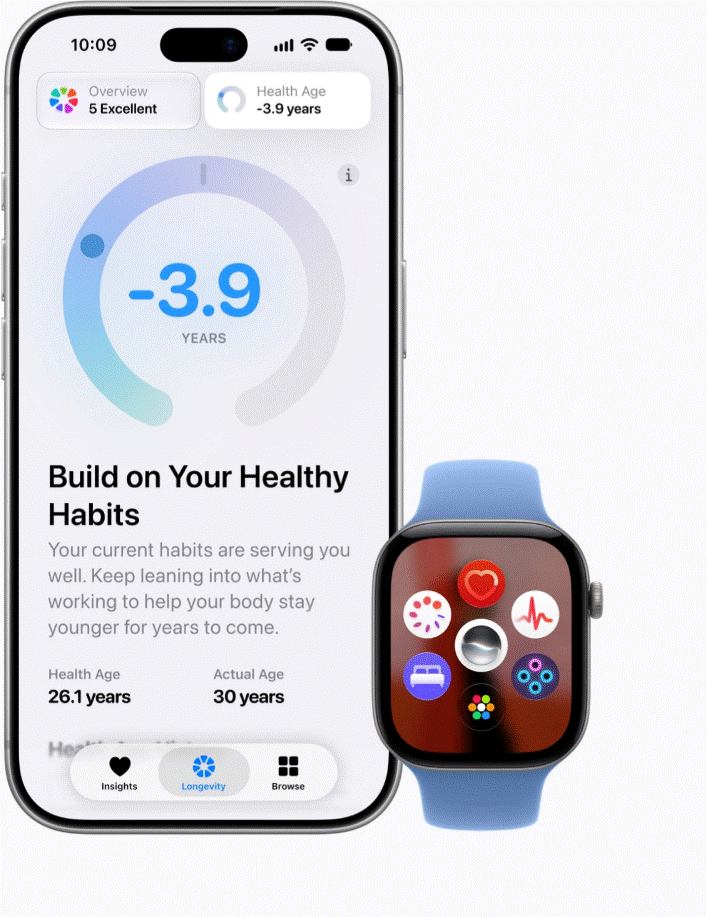
Apple is expanding the capabilities of the Apple Watch and iPhone, transforming them into intelligent, science-backed tools for personal well-being. The Apple Watch Series 12 and Apple Watch Ultra 4 debut a brand-new health sensing system, delivering the industry's most accurate wearable heart rate monitoring alongside a new readiness score that assesses daily physical capacity.
These devices connect seamlessly with a redesigned health app launching later this year on iPhone, which uses Apple Intelligence to provide comprehensive, easy-to-read longevity and long-term health insights. Combined, these features offer a more complete look at fitness and health while keeping personal data completely private and secure.
Oura Ring -Track over 50 health and wellness metrics, and get personalized insights into your sleep, activity, stress, metabolic, heart health, and women’s health. With innovative, AI-powered tools like Oura Advisor, get exclusive access to actionable insights that become increasingly tailored over time.
-
Heart Health
-
Sleep & Rest
-
Activity & Movement
-
Stress
-
Women’s Health
-
Metabolic

FAQ's
How do I pick the device best for me?

Whoop
IWe will help you decide after consultation and assessment of your lifestyle..
What are the differences between devices?
Apple Watch Series 12 vs. Whoop 5.0:
If you want the absolute highest density of data, the Apple Watch Series 12 leads the market by checking your heart rate every 5 seconds. However, its smartwatch screen makes it bulky to wear during sleep.
Whoop 5.0 offers a screenless alternative that tracks intense athletic strain and recovery 24/7 without a glowing display, though it requires an ongoing subscription fee.
Oura Ring 5 vs. Fitbit Air: For maximum hardware discretion, the Oura Ring 5 shrinks the sensor array into a ultra-compact ring form factor that focuses on early health alerts and cardiovascular changes. If you prefer a wrist-based tracker but still want a screen-free experience, the Fitbit Air offers a lightweight 12-gram pod that includes an AI coaching framework without requiring any monthly membership fees.
Should I use a Continuous Glucose Monitor ?
Yes, but not all patients need a continuous glucose monitor. However, we suggest every new patient wear one for at least a month to learn how their body responds to particular foods.
Tracking your real-time metabolic reactions to various meals is highly effective when using a continuous glucose monitor (CGM). Wearing one helps you identify both predictable triggers—such as massive sugary sodas—and surprising culprits, like certain barbecued meats, that cause unexpected glucose spikes. While skeptics maintain that glucose tracking is unnecessary for individuals without underlying medical conditions, prominent figures in the longevity field, including Dr. Peter Attia and Dr. David Sinclair, strongly advise in favor of it.
What people wear CGM's ?
-
Proactive, Metabolically Healthy Adults: Individuals looking to optimize performance, understand personal glycemic responses, and fine-tune their diet, sleep, and exercise in real time.
-
Individuals with Risk Factors or Family History: People with a family history of diabetes, early signs of metabolic syndrome, or prediabetes who want to catch creeping fasting glucose or post-meal spikes before they show up on standard annual lab work.
-
Patients Seeking Personalized Nutrition: People struggling with unexplained fatigue, weight resistance, or energy crashes who need to identify "sneaky spikers" (foods that trigger sharp glucose spikes despite perceived "clean eating"
-
Short-Term Biohackers / Experimenters:

Fit Bit Air

Oura Ring-discrete monitoring

Apple
Watch 12


What is the link between high blood sugar and longevity ?
Abbott Lingo-
over the counter
Libre 3 - 15 day
Dex Com G 7
Fluctuations in blood sugar play a critical role in determining how well and how long we live. Under normal conditions, the hormone insulin clears glucose from the bloodstream and directs it into cells to fuel the body. However, consistent metabolic imbalances can impair this process, forcing the body to overproduce insulin just to maintain stable glucose levels—a condition widely recognized as insulin resistance.
This specific metabolic dysfunction is tied directly to three of the major chronic illnesses that Dr. Peter Attia labels the "four horsemen" of aging: cardiovascular disease, cancer, and type 2 diabetes. Peter Attia explains in one of his books that insulin resistance places an individual on a direct trajectory toward diabetes while simultaneously acting as a powerful growth signal that can accelerate tumor development and arterial plaque buildup.
In addition, a continuous elevated blood sugar level directly accelerates aging at a cellular level, ultimately threatening both healthspan and overall lifespan. Another famous researcher named Dr. David Sinclair points out that this relationship centers on an enzyme called AMPK, which manages cellular energy. While nutrient scarcity—such as during fasting—triggers AMPK to generate new mitochondria, as we age our ability to generate new mitochondria degenerates. This is called dysfunctional mitochondria and leads to cognitive decline, heart disease, and metabolic disorders.
By stimulating AMPK through intermittent fasting and glucose control, we can help to regenerate and restore mitochondrial function, which controls cellular energy vitality.

Dexcom Stelo-
over the counter
What is the Cost of CGM's and what brands are available?


Section Title
Every website has a story, and your visitors want to hear yours. This space is a great opportunity to give a full background on who you are, what your team does and what your site has to offer. Double click on the text box to start editing your content and make sure to add all the relevant details you want site visitors to know.
If you’re a business, talk about how you started and share your professional journey. Explain your core values, your commitment to customers and how you stand out from the crowd. Add a photo, gallery or video for even more engagement.